Insights
Upgrading Through Recladding: What’s Possible with Metal
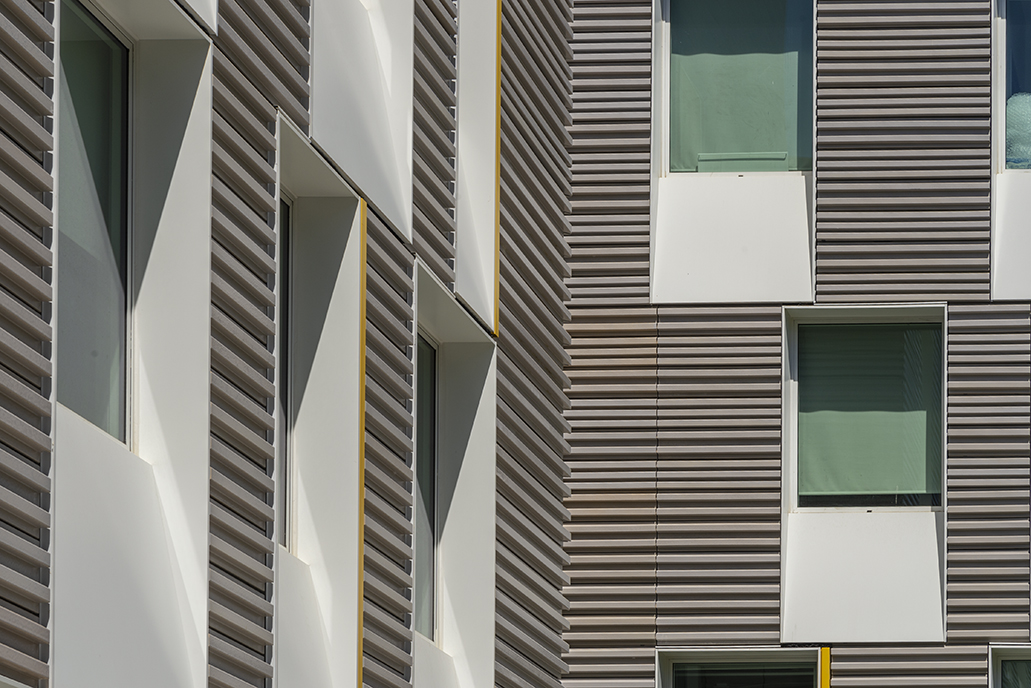
Recladding an existing facility is often a more cost-competitive way to achieve an updated look for a building that is outdated. When compared to building a new facility, the cost differential can be substantial. At the same time, reskinning or recladding a structure provides ample opportunity to enhance the performance of the building envelope
Unitization: A Solution for Modern Demands on Construction and On-Site Project Teams
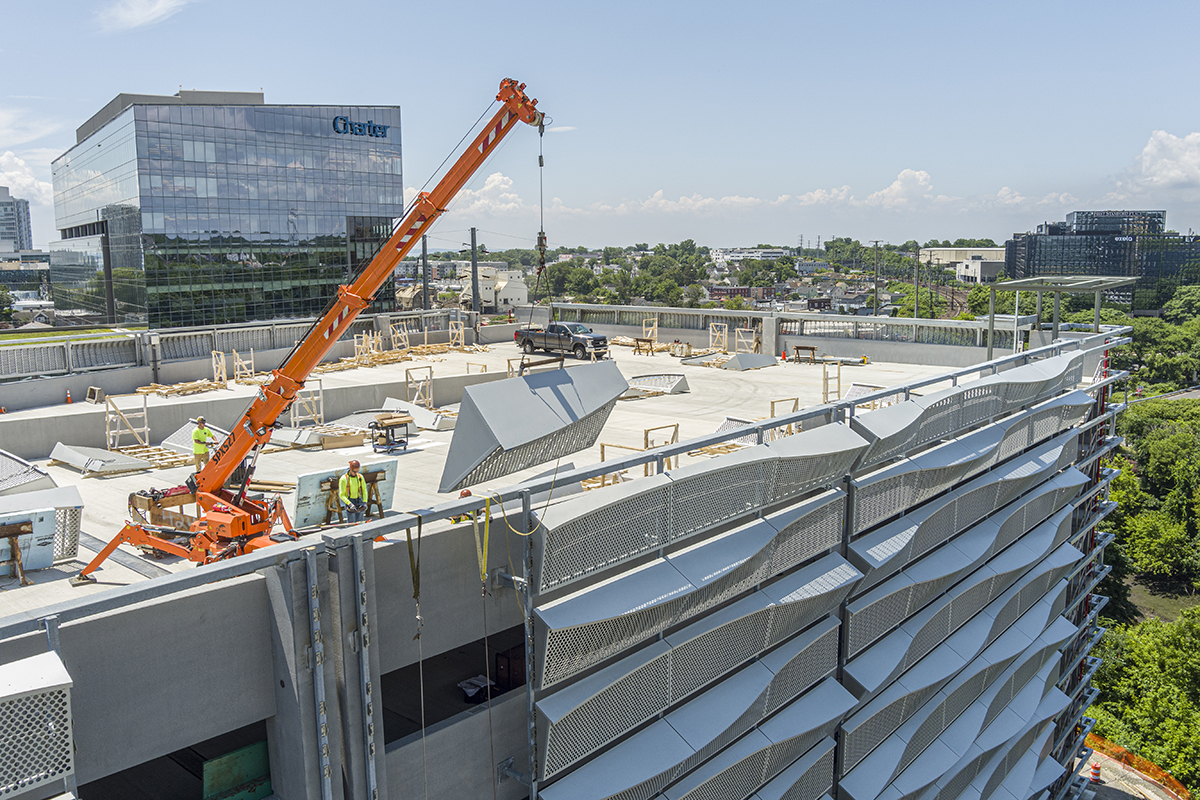
Construction deadlines are tight. On many projects, the fabrication and construction of the building structure commence prior to the completion of the exterior façade design. Job sites are cramped, and all trades are under pressure. As a result, the industry has adapted to accommodate modern demands. In many cases, the solution is unitization.
Solid Metal Panels: Design Flexibility, Maximum Functionality
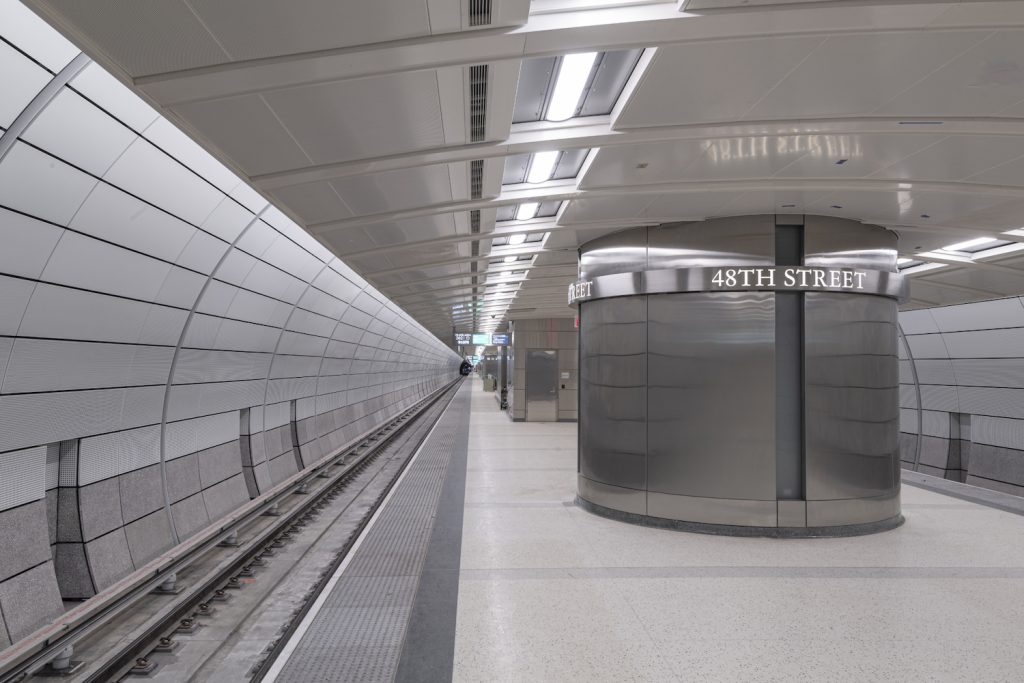
Pushing the limits of architectural design can sometimes produce drawbacks when it comes time to source the appropriate building materials. Plainly put, it can be frustrating for inspired designers to make modifications to their vision because of a product’s shortcomings.
Screenwalls: Where Design and Functionality Intersect
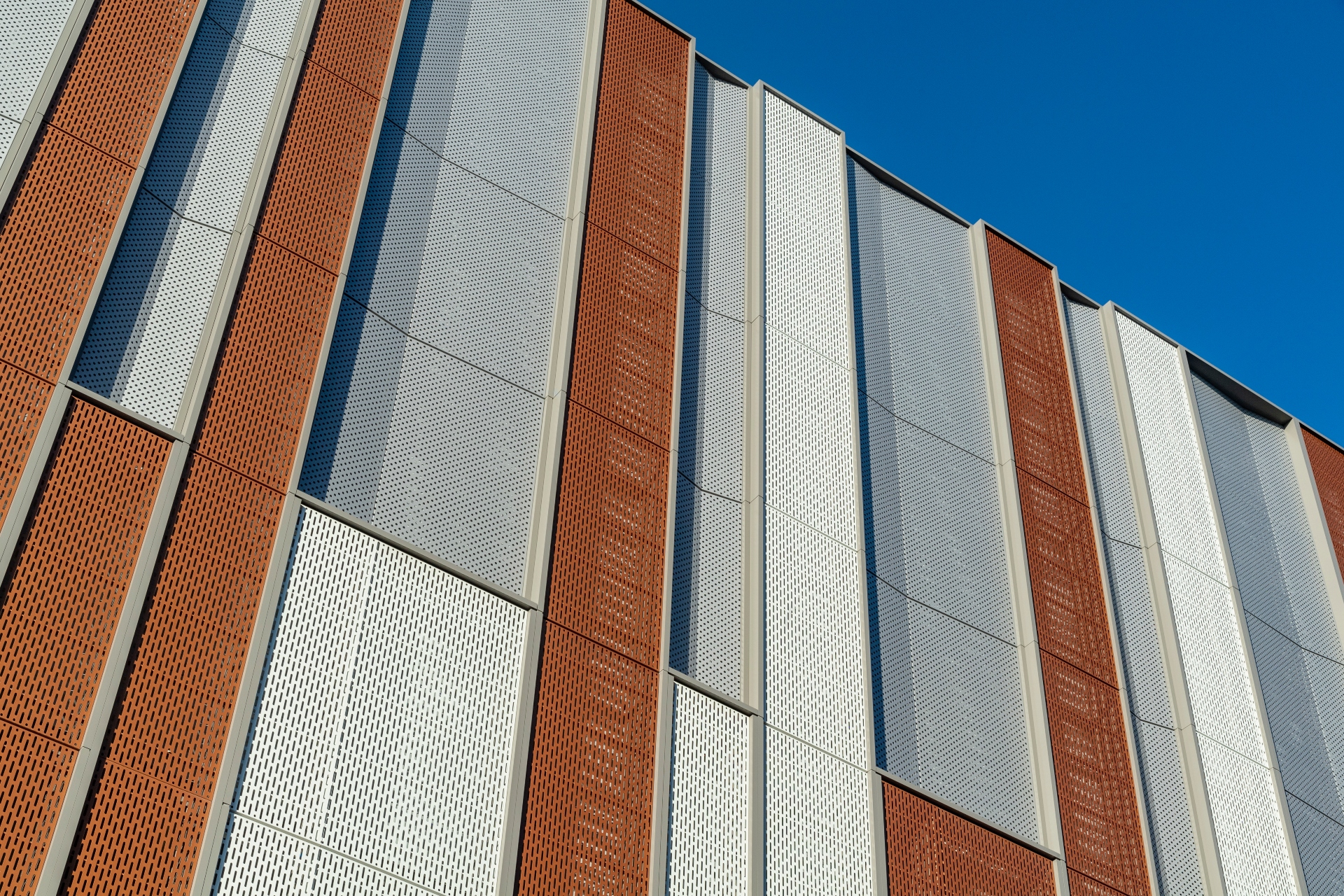
Architects and designers are constantly seeking ways to set their solutions apart, to stand out in ways that get them, their firms, and their building designs noticed. That often comes in the form of specifying cutting-edge products that take advantage of the latest in material science or up the ante when it comes to sustainability.
Mitigating Contract Risk
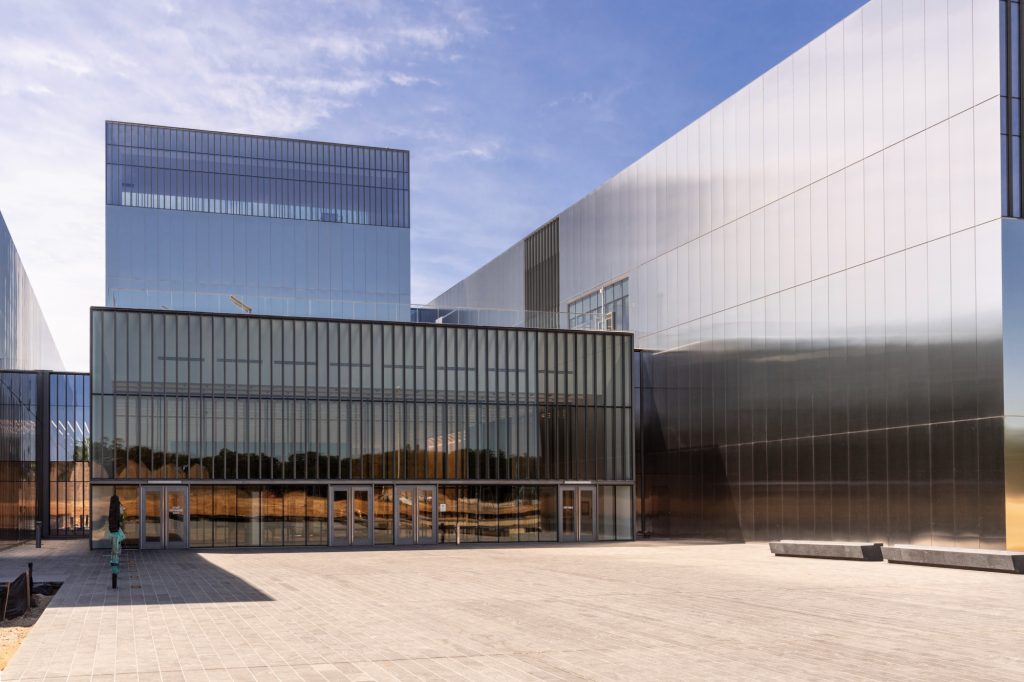
When it comes to executing construction contracts, the key is to make informed decisions from the beginning, ensure all parties are collaborating and acknowledging the uncertainty of our current market conditions.
Designing with Aluminum Plate
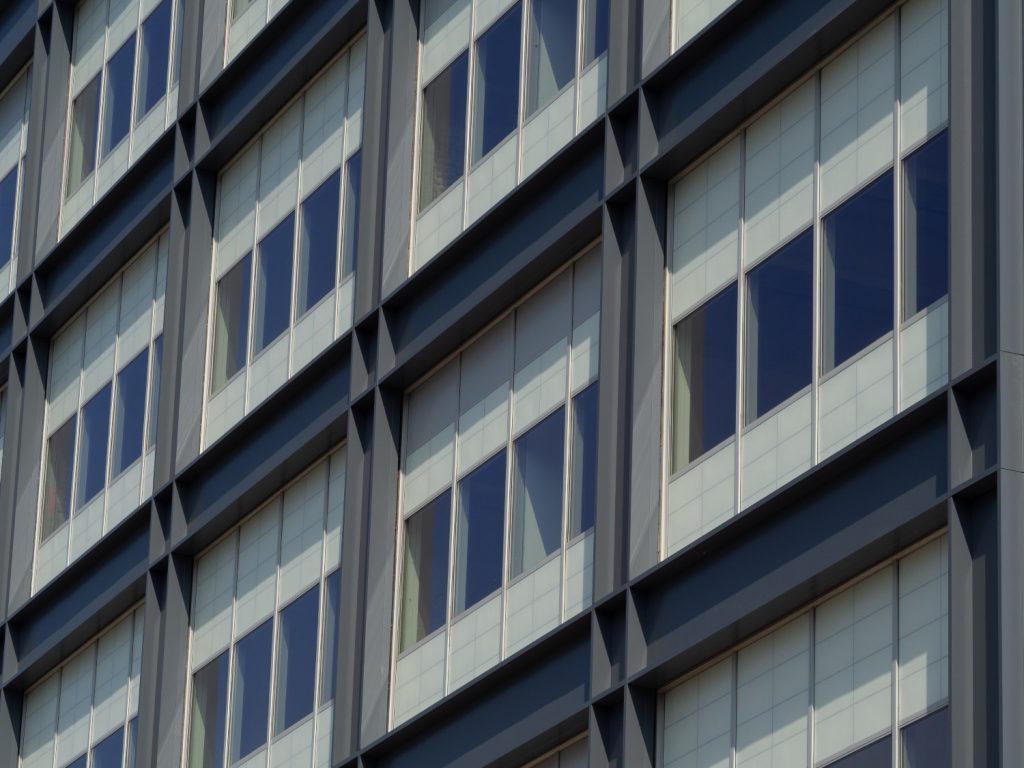
In the search for creative and unique building envelope materials, architects and specifiers can choose from a wide variety of options to realize their vision for a building. When specifying a material that delivers aesthetic versatility along with long-term performance and durability, metal plate can quickly rise to the top of the consideration set.
Metal Cladding: The Better Firewall
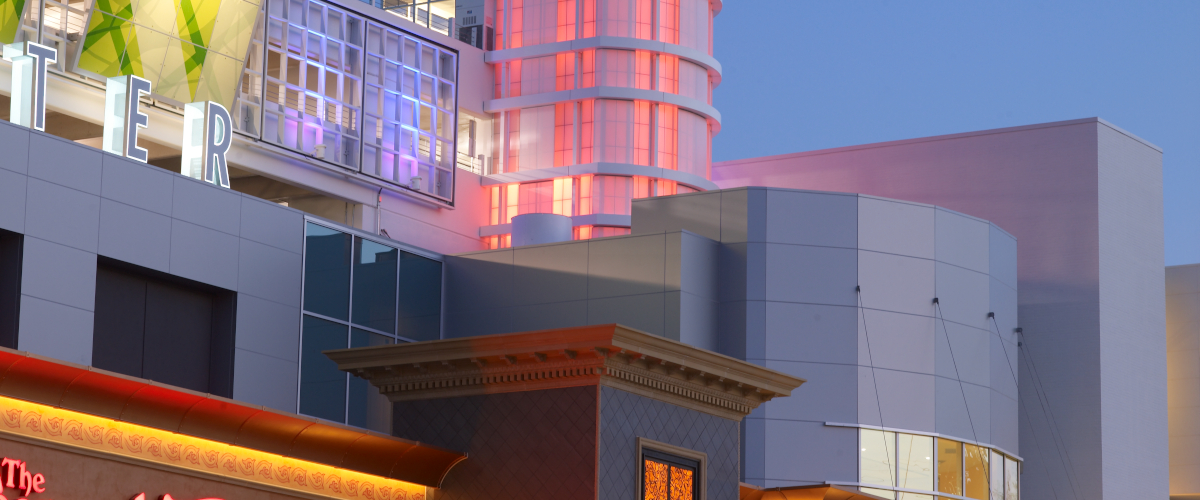
Solid metal panels made of aluminum have a melting point of more than 1,200 degrees Fahrenheit. That number is even higher with stainless steel panels. Such panels contain no plastics, foam or other synthetic material. In essence, they are non-combustible.